

The Truth in Our Stories
Client:
Austin Presbyterian Theological Seminary
Scope:
Video Production, Photography
Deliverables:
Interview Series, Portrait Photography
Publisher:
Izzard Ink Publishing
Overview
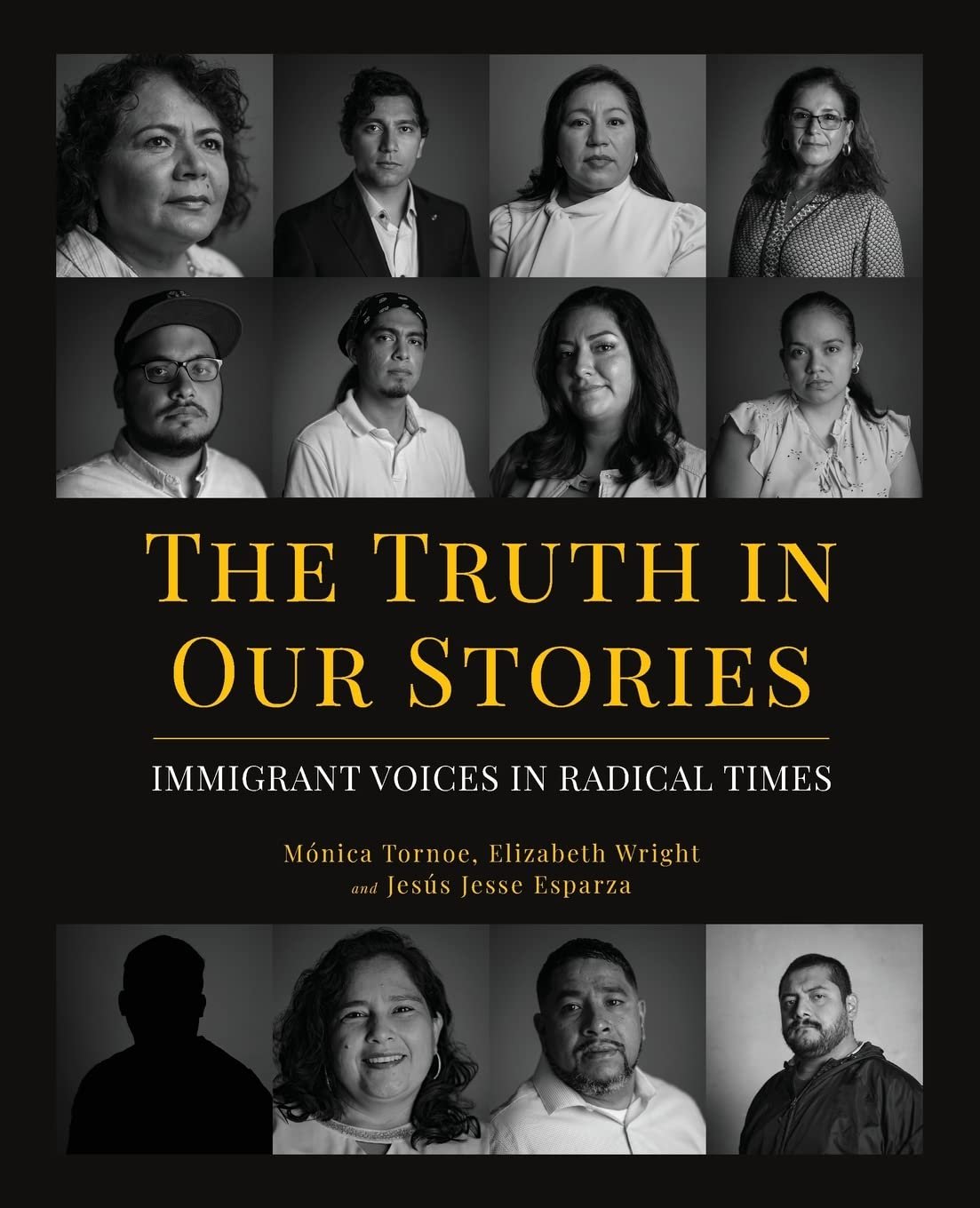
The Truth in Our Stories is a project built around one idea: let immigrants tell their own story, in their own words. Austin Seminary commissioned Cromatica to produce the video interview series and portrait photography to accompany a published book on immigrant experiences in America. Twelve subjects. Twelve stories covering assimilation, discrimination, language barriers, and the quiet resilience it takes to build a life in a new country. The portrait work didn't just support the book; it became the cover of it. Published by Izzard Ink Publishing as The Truth in Our Stories: Immigrant Voices in Radical Times.

The Creative Direction
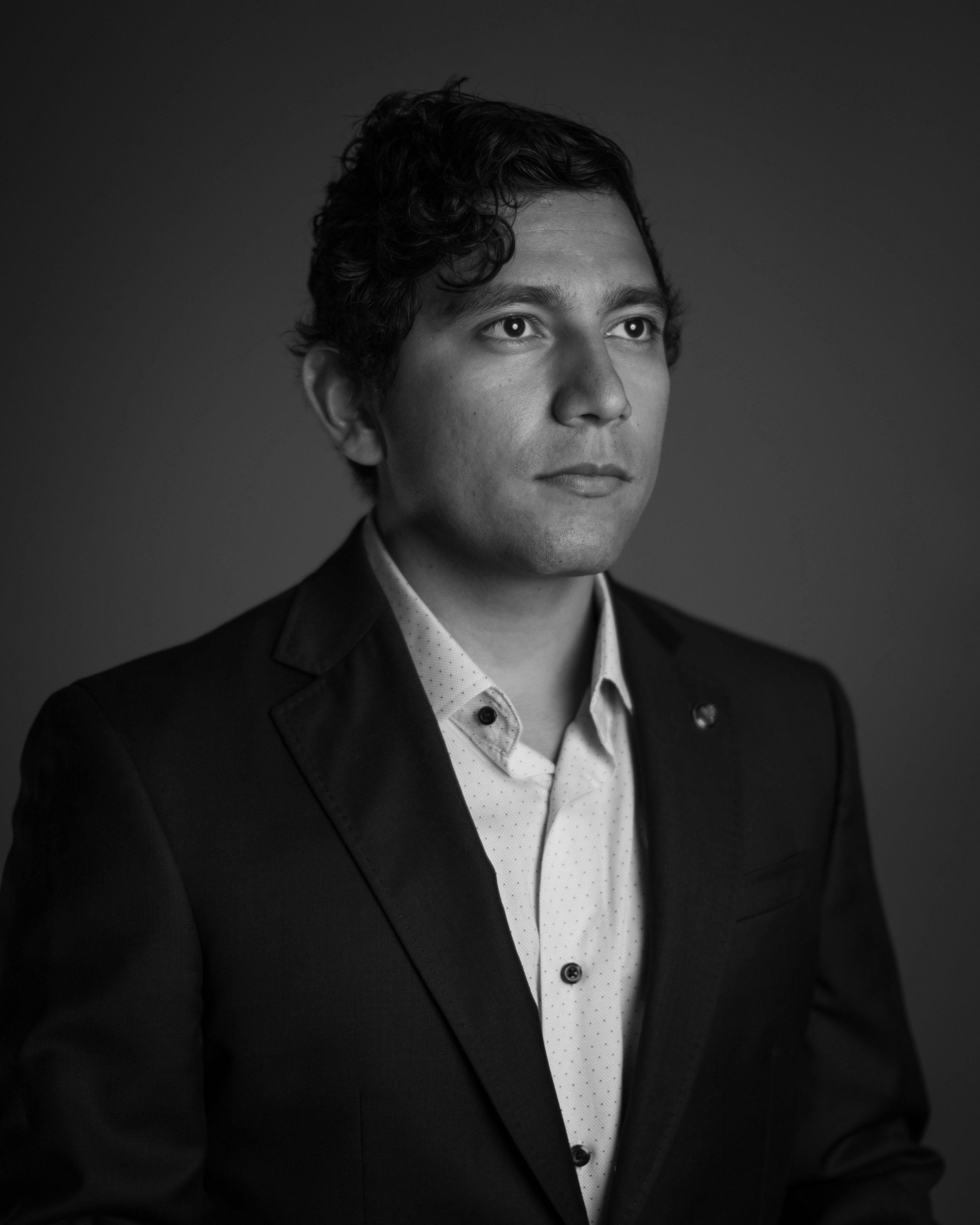
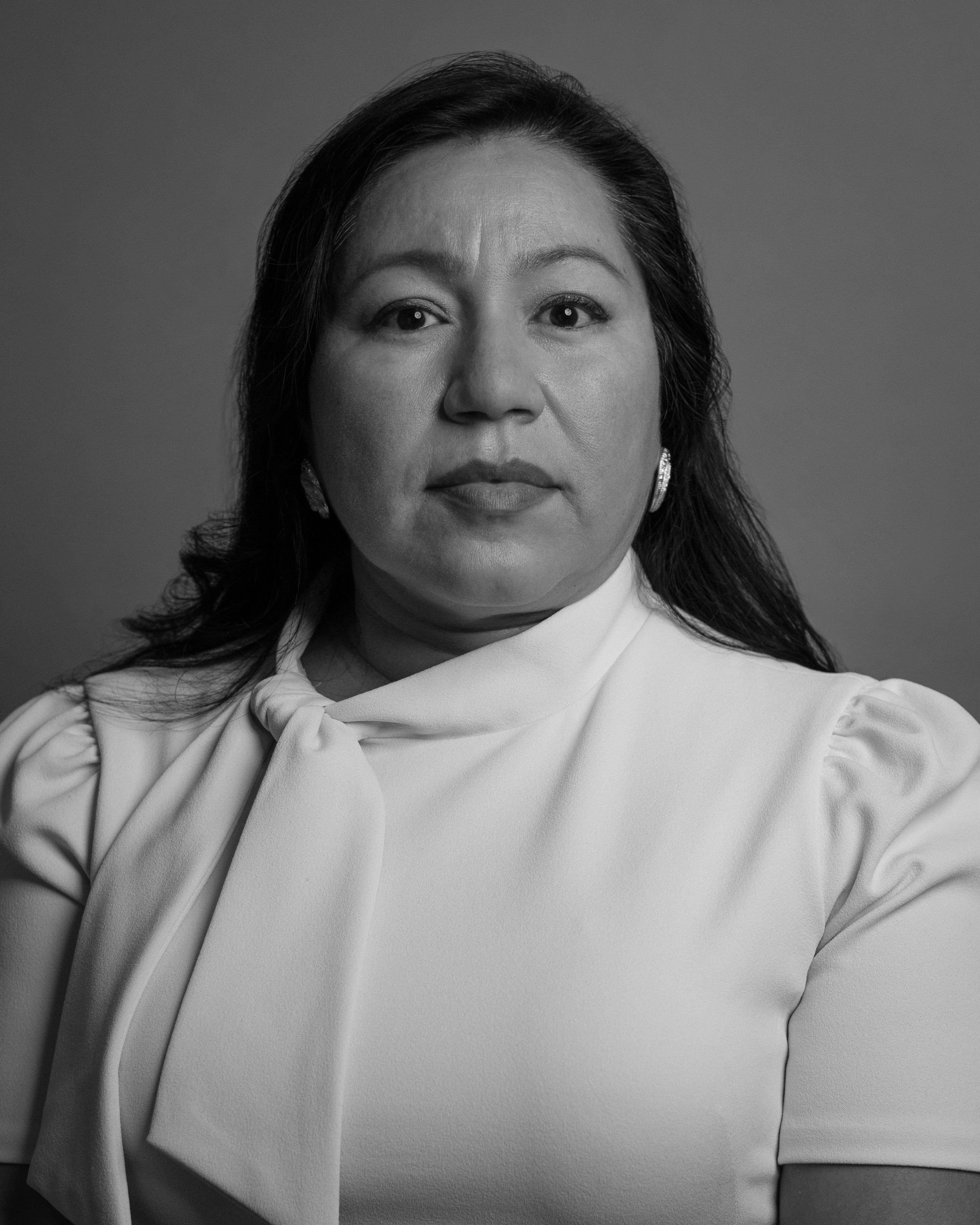
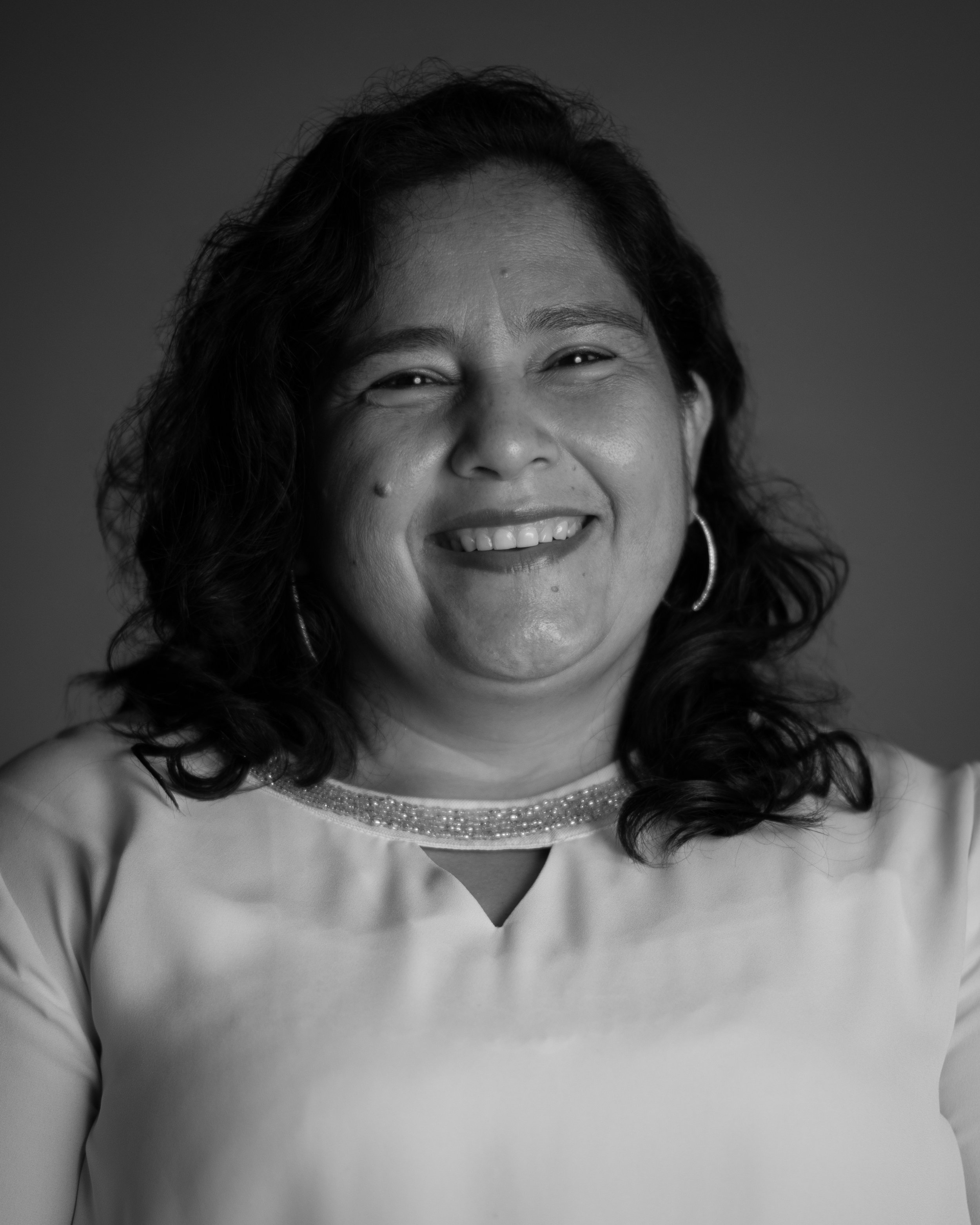
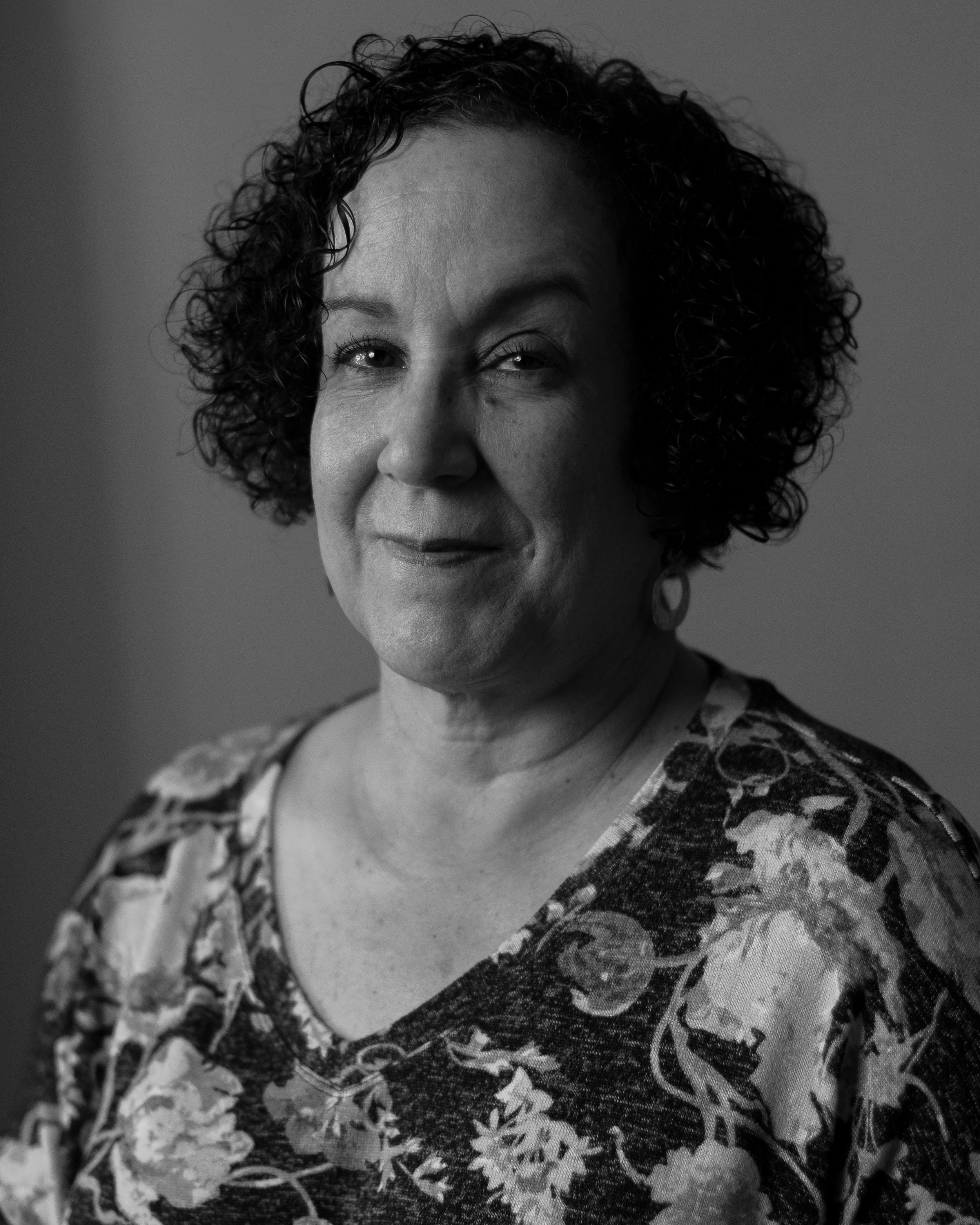
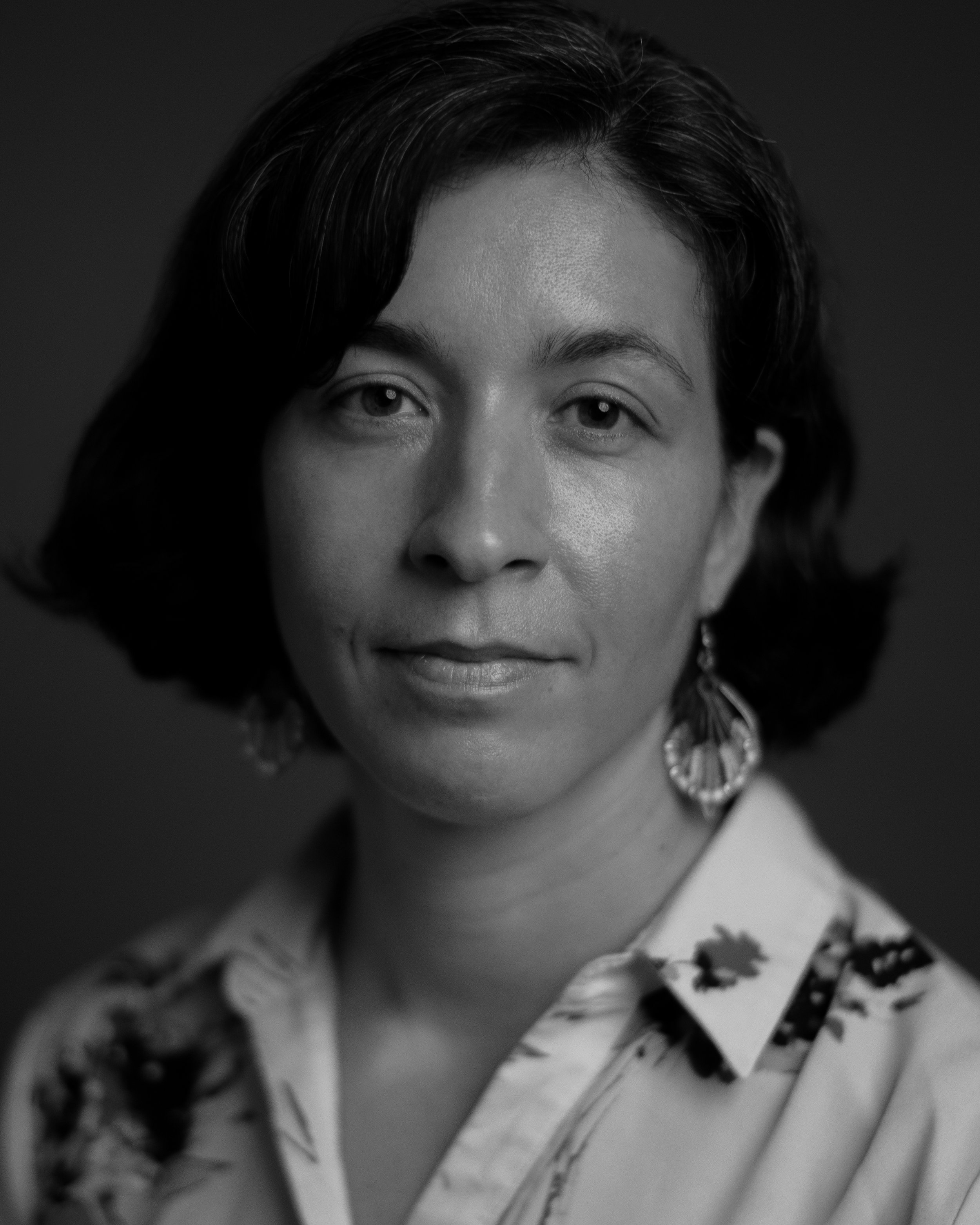
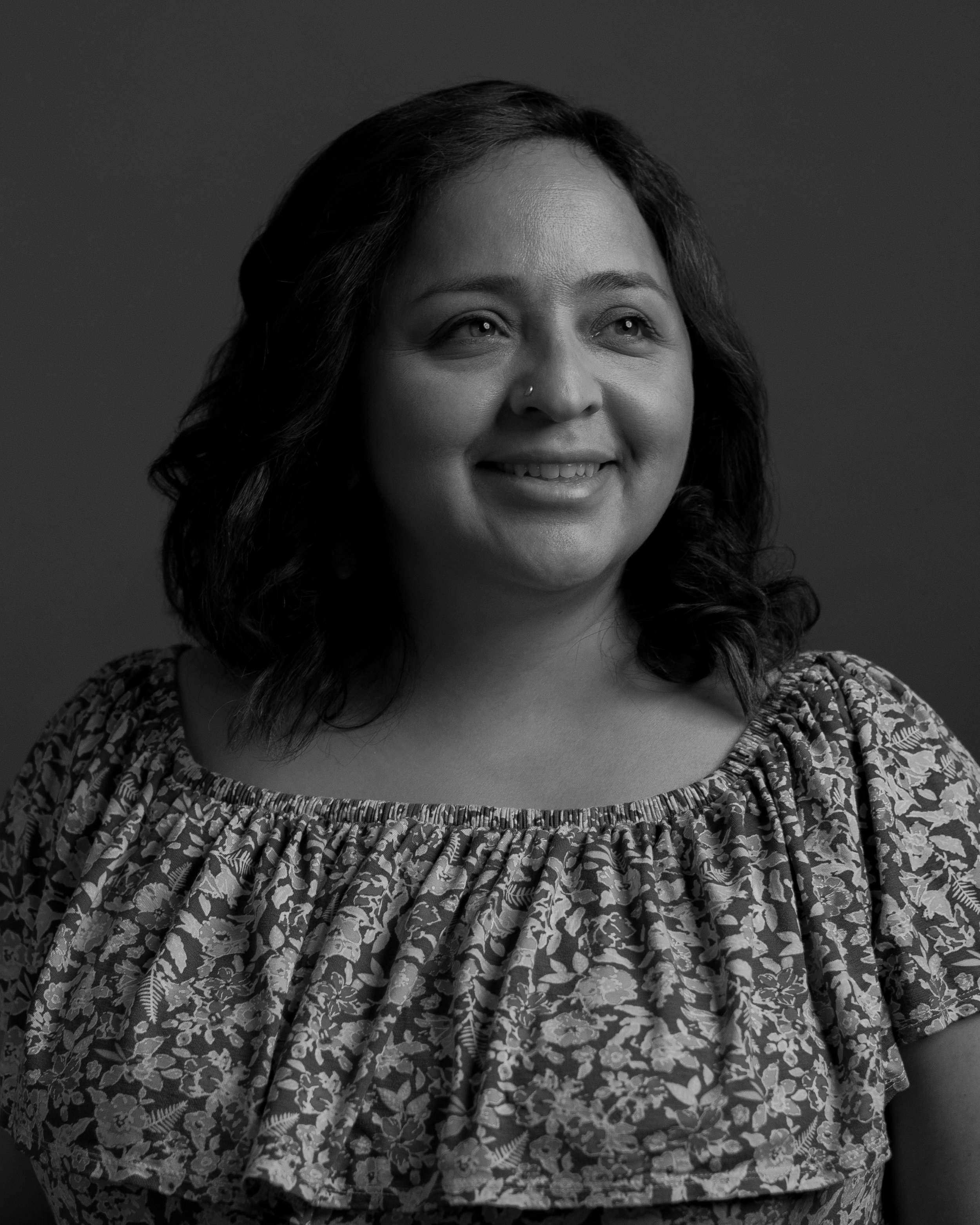
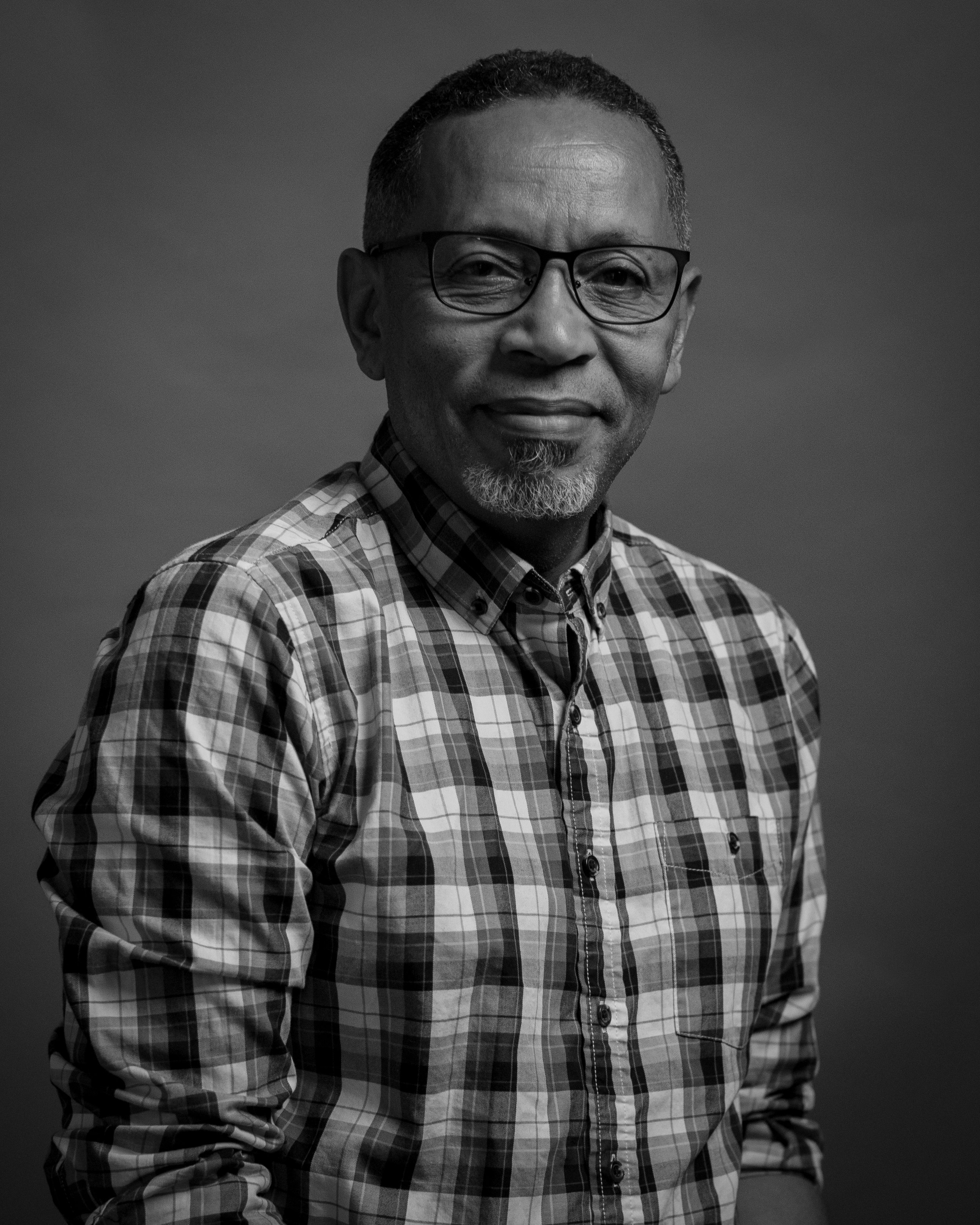
Every decision on this project was intentional. The library setting wasn't incidental; it was chosen because these were people telling stories, and a room full of books felt like the right place to do it. Black and white photography strips away distraction and puts the focus entirely on the person in front of the camera. No color to hide behind. No polish to soften the weight of what they were sharing. Raw and unfiltered was the goal, and every frame was art directed to get there.
The video interviews follow the same logic. Quiet, direct, unhurried. The subjects speak for themselves, and the production stays out of the way
The Photography
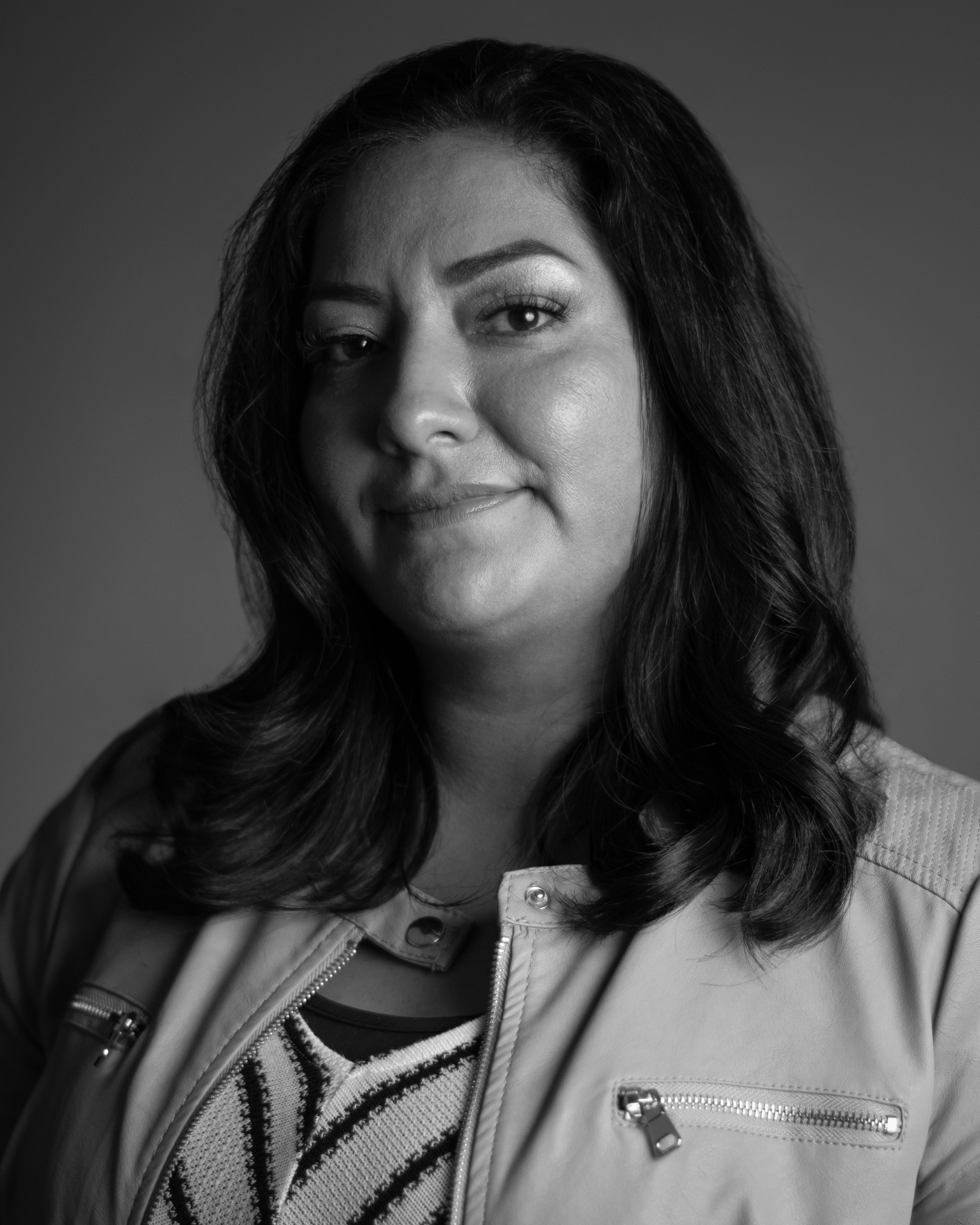
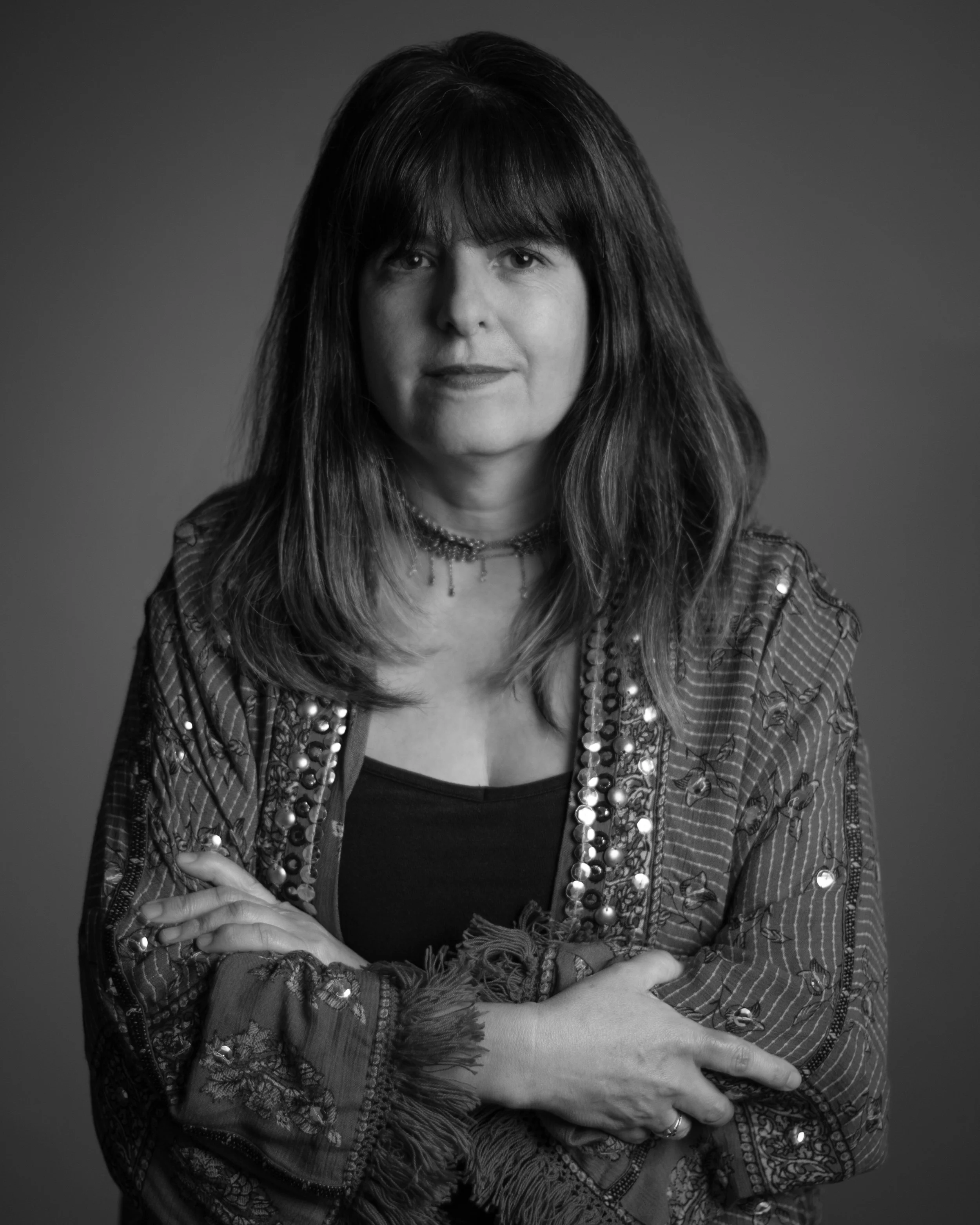
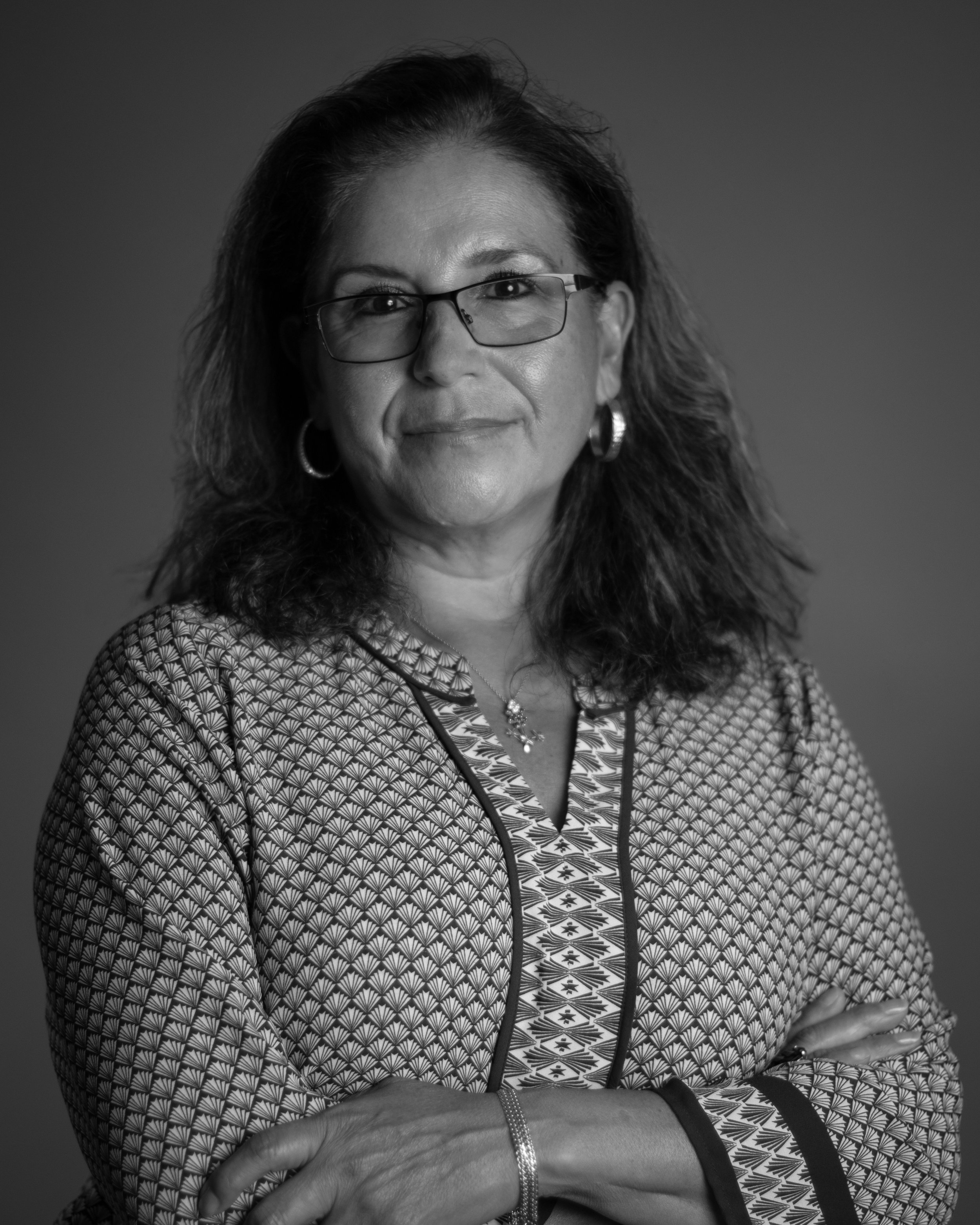
Twelve subjects, twelve portraits. Each one shot in black and white against a controlled background, lit to bring out the person without dramatizing them. The goal was dignity, not spectacle. These weren't subjects, they were people trusting us with their story, and the photography had to honor that.
The portraits ended up doing more than supporting the book. They became the cover of it. Eight faces arranged in a grid, the first thing anyone sees when they pick up The Truth in Our Stories. The work that was meant to accompany the project ended up defining how the world first encounters it.







The Video
The interviews were shot in the same library setting as the portraits, keeping the visual world consistent across both mediums. Each subject sits and speaks directly, no narration, no voiceover, no framing device. Just the person and their story.
The production was built to stay out of the way. Quiet camera work, controlled lighting, clean audio. Everything designed to make the viewer forget there's a crew in the room and focus on what's being said. Eight interviews, each one its own complete piece.